Rebuilding ArcUno overnight
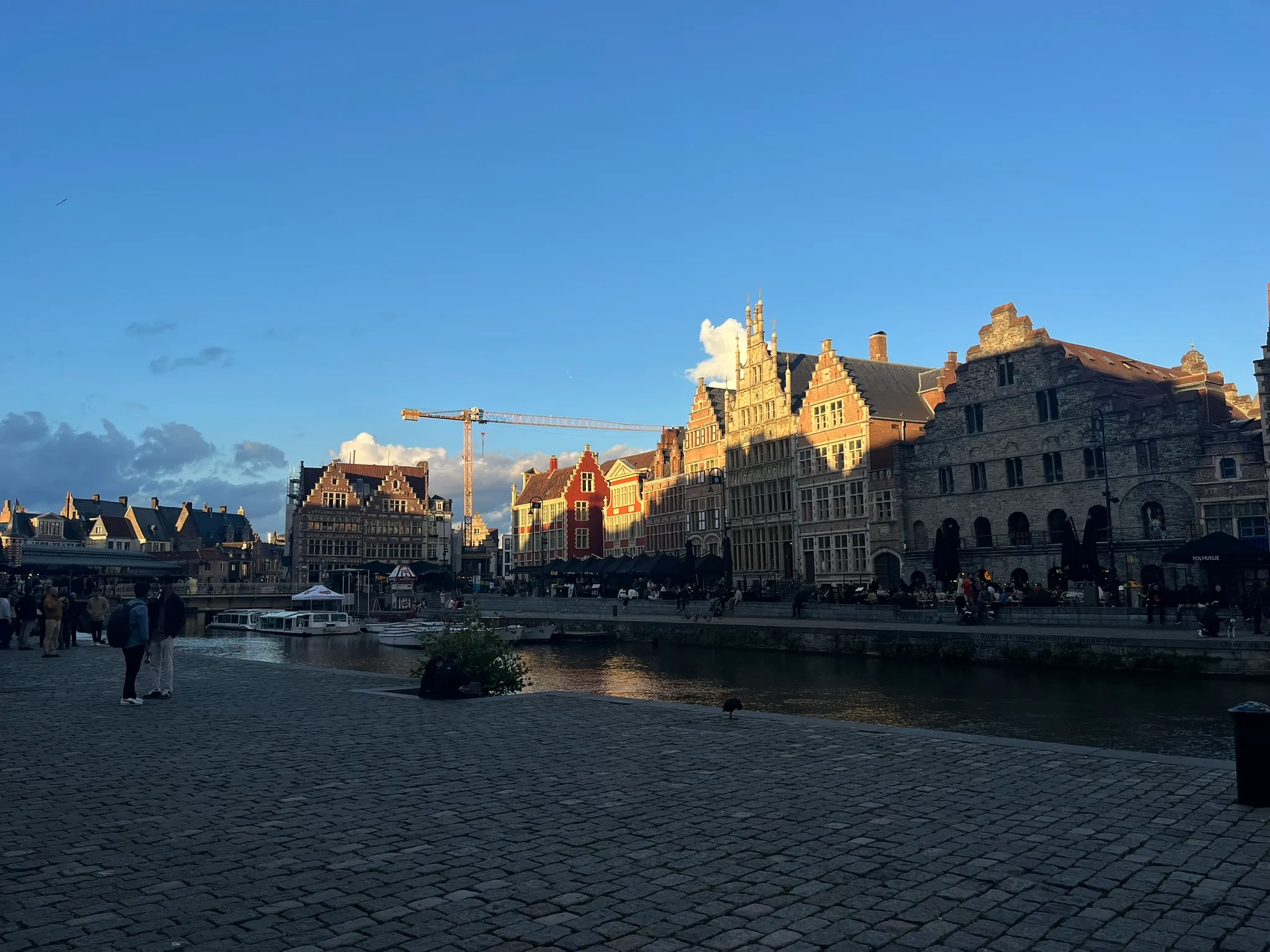
Presenting my graduation project at SEMANTiCS in Ghent, a few hours after rebuilding it from scratch.
When Victor de Boer, my Graduation Project supervisor, initially proposed the idea of submitting the project to a conference, I could never have predicted that five months later, my friends Stijn, Nicky, Michela, and I would need to pull an all-nighter to remake the entire thing in under seven hours.
Before diving into the story, I would like to briefly describe what ArcUno, the project developed during my Creative Technology thesis, is and what problem it attempts to solve. The main component is a fully 3D-printable toolkit that can be used to arrange graph-like structures on a table. In particular, we focused on conceptual modeling (e.g. knowledge graphs, ontology graphs), which is used in semantic tasks and can help humans understand and organize knowledge better. One of the intentions of ArcUno is to enable a LEGO-building-like experience, which in turn can make the modeling task more intuitive and approachable.
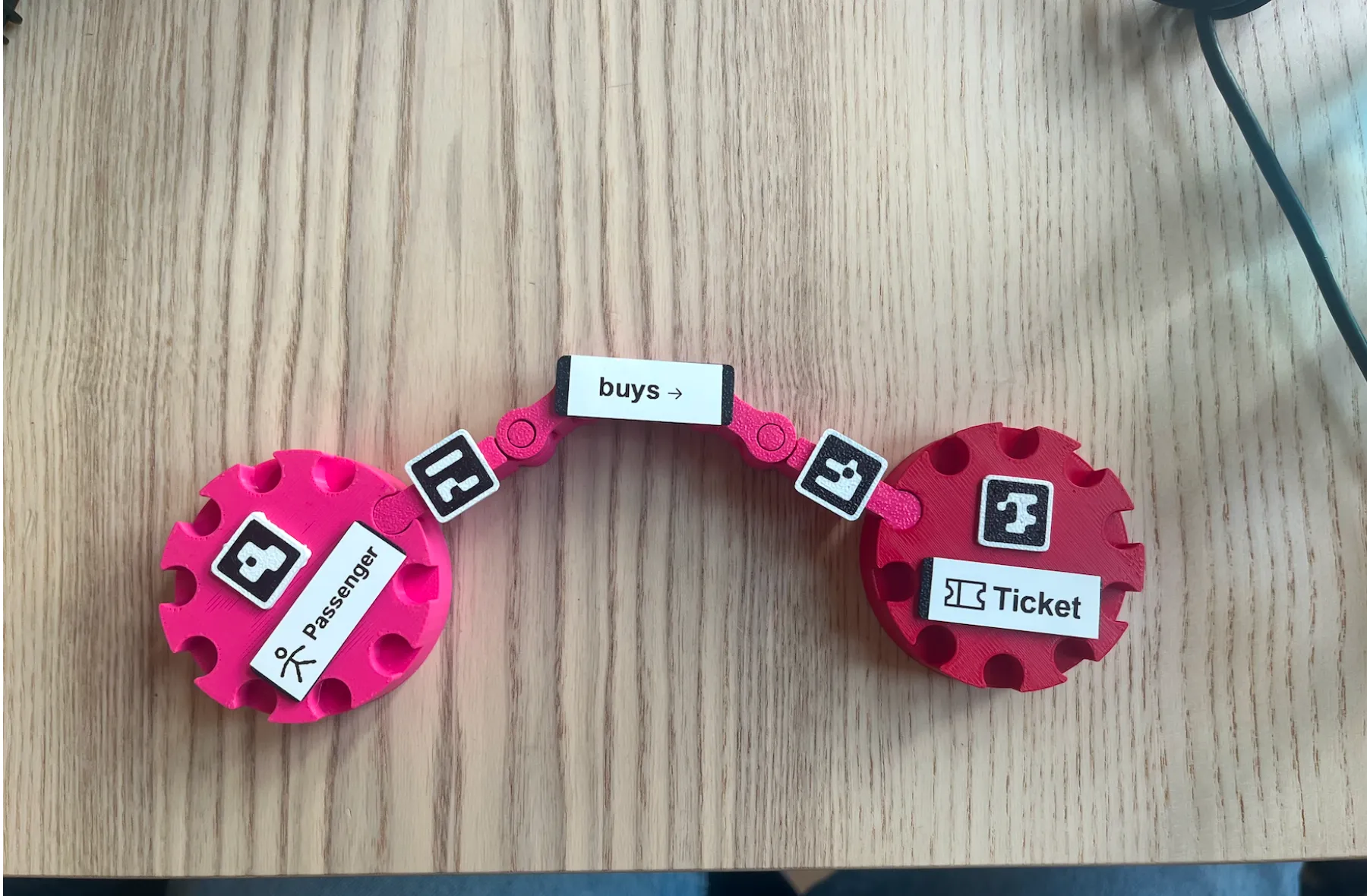
Besides the 3D-printed components, the project utilizes an overhead camera and custom software that tracks the elements on the table in real time and infers a digital version of the graph that is being built. If you are interested in learning more, you can read the thesis. If you’d like to build it yourself, the 3D models and code are on GitHub.
You can also watch a video demo.
Back to the story of my journey to the conference. The trip included a flight from Athens to the Netherlands, as I had relocated to Greece after the summer. That meant that I had to pack the various elements of ArcUno with me, which included a tripod, an Android phone, a USB-C cable and the 3D-printed elements for the graph. Well, after landing at Schiphol I had a flash realization that I had indeed forgotten the box containing the 3D-printed elements on my desk back in Greece…
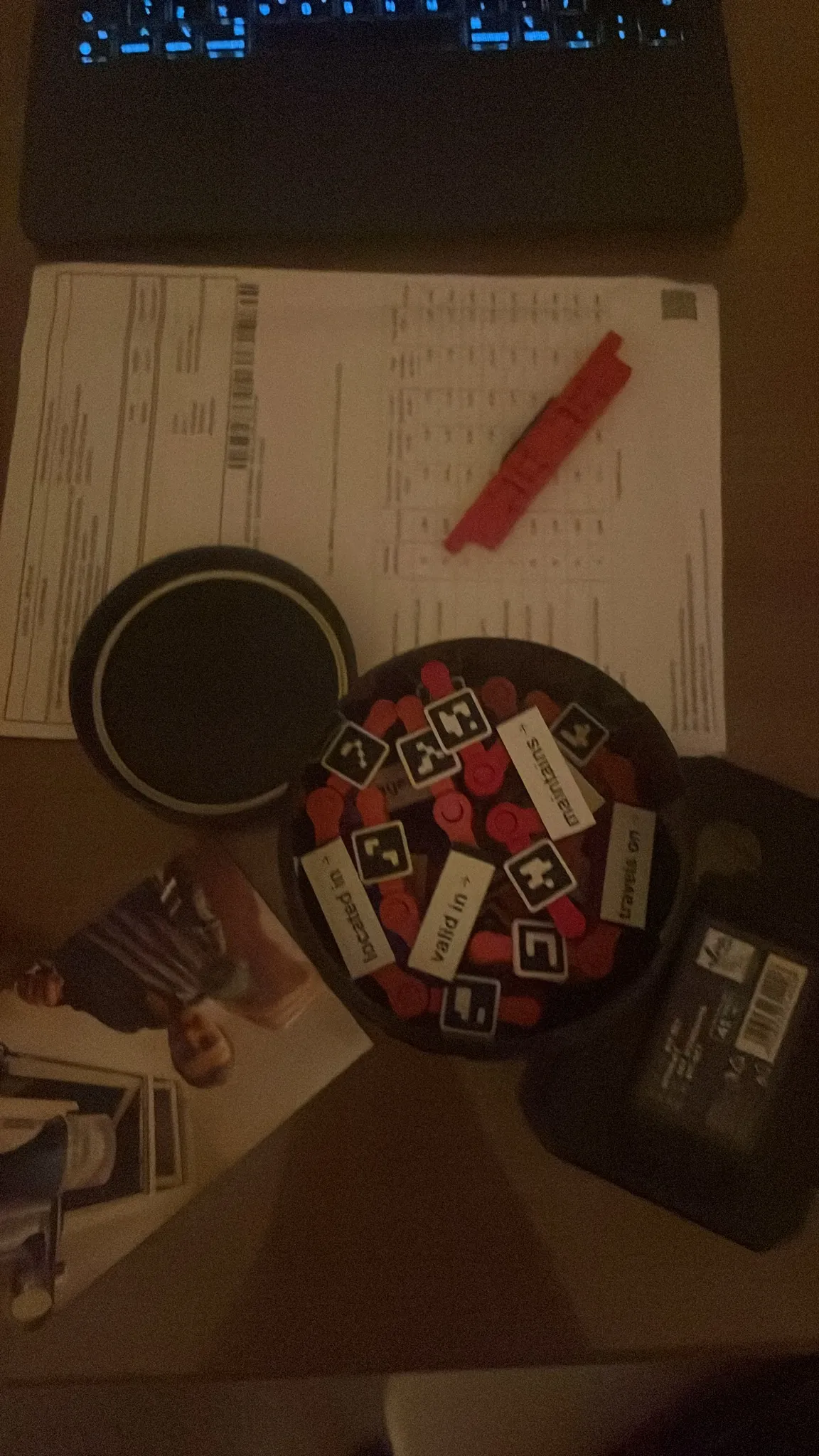
My heart sank. I felt embarrassed and sad that I had come all this way for nothing.
Thankfully, this was not the first time I had been one night away from a big presentation-like moment with half the project nonexistent or not working. During my years studying CreaTe, this was indeed a common occurrence. But somehow, my team would always pull it off. So, that is exactly what I did next. I contacted my CreaTe friends in Amsterdam, Stijn and Michela, and we got to work. The feeling that overwhelmed us was familiar and nostalgic. It was the same feeling as the final day of a CreaTe project.
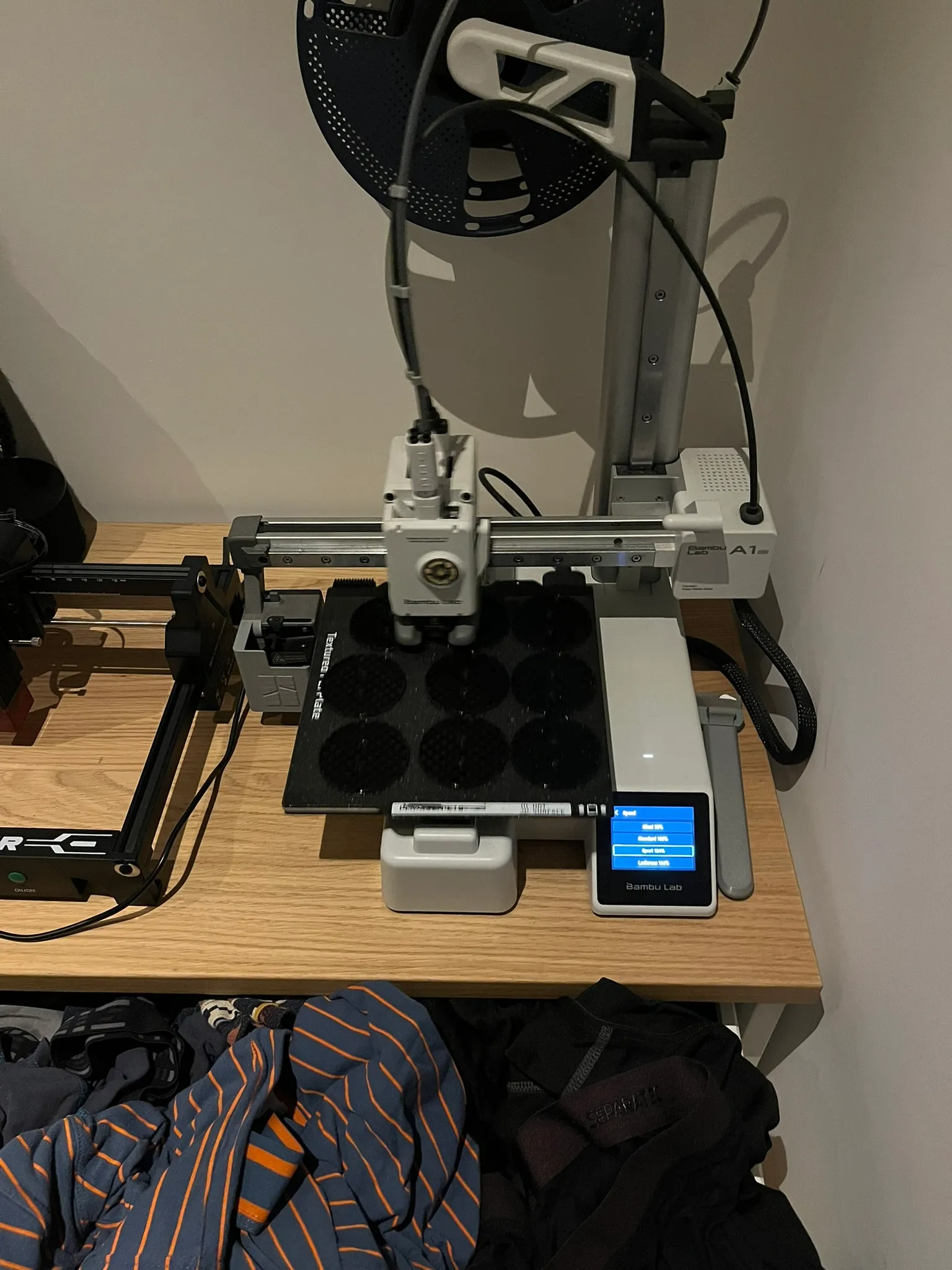
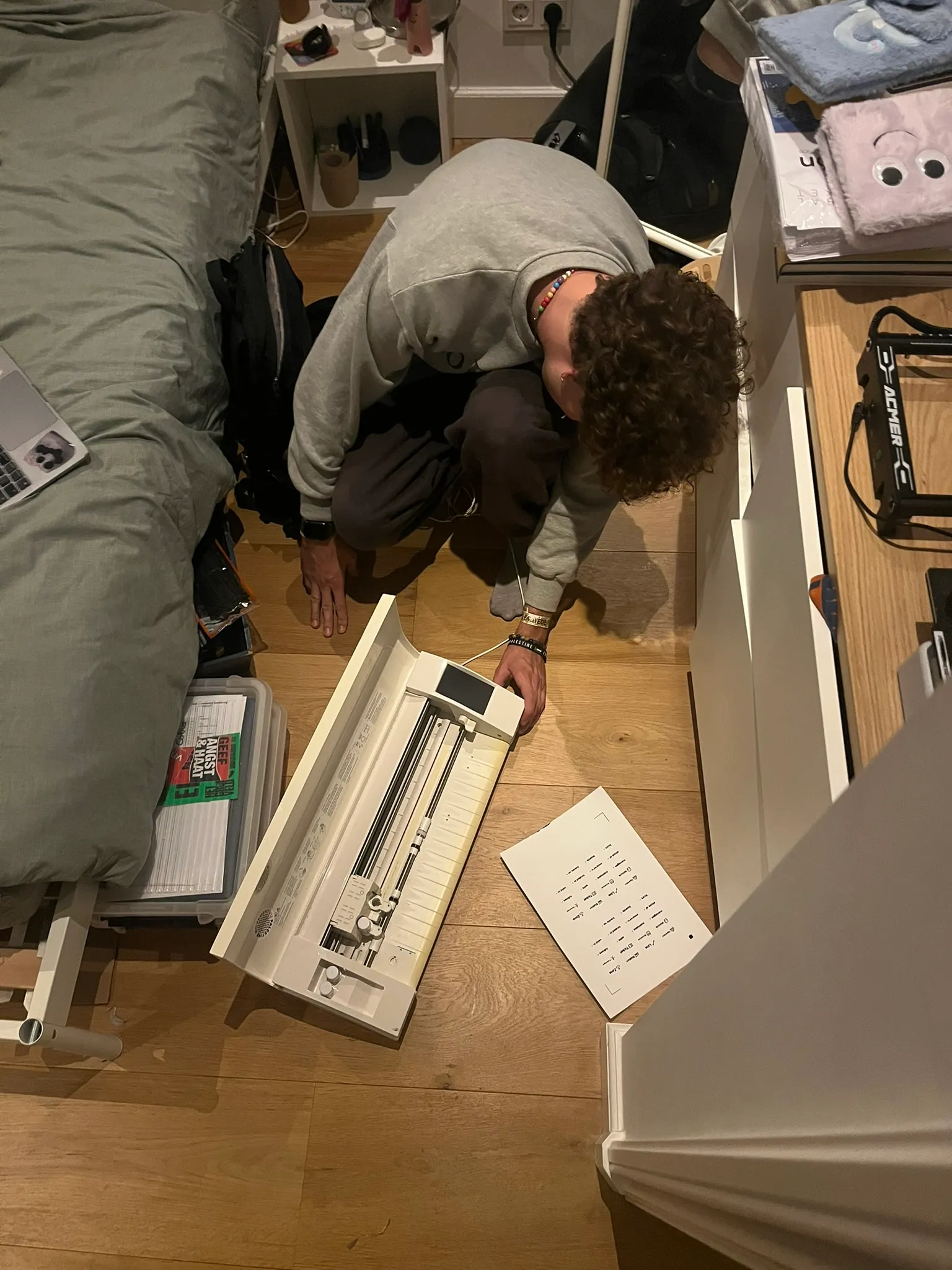
The 3D printers were working all night. Stijn even had a cranky sticker machine, which he used to print the labels for the items!
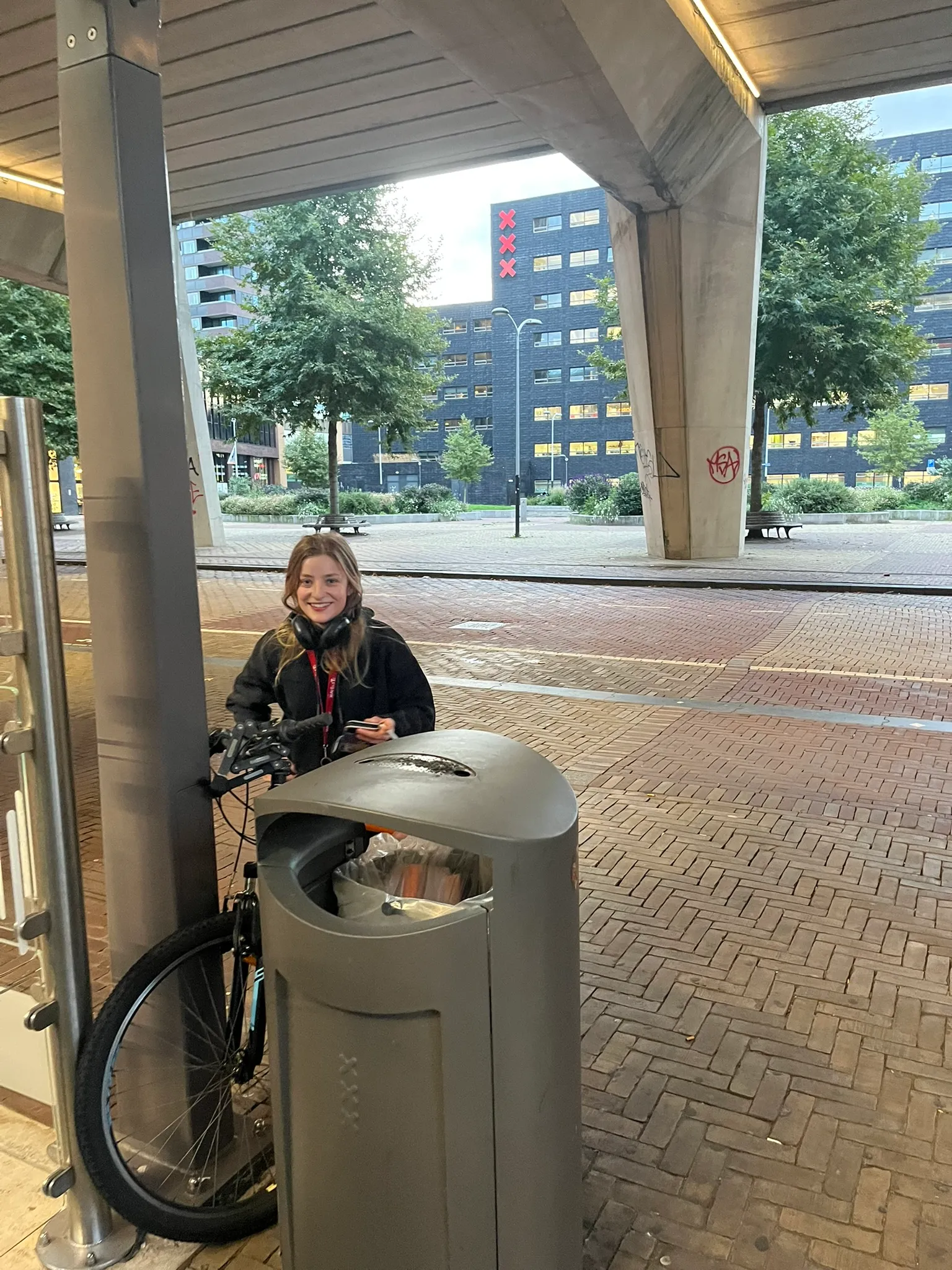
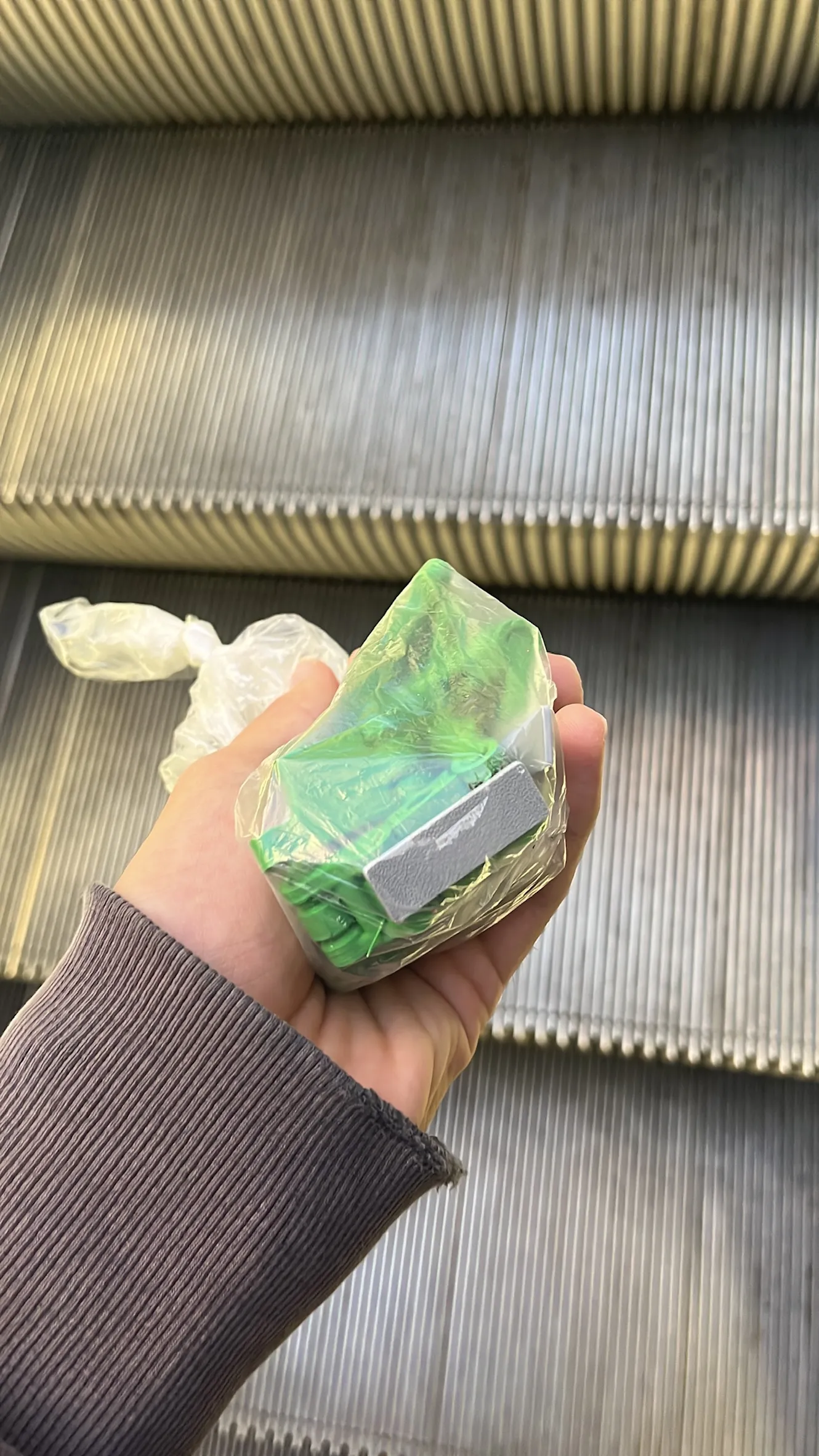
At 7 on the morning of the conference, I met with Michela and she gave me the final pieces.
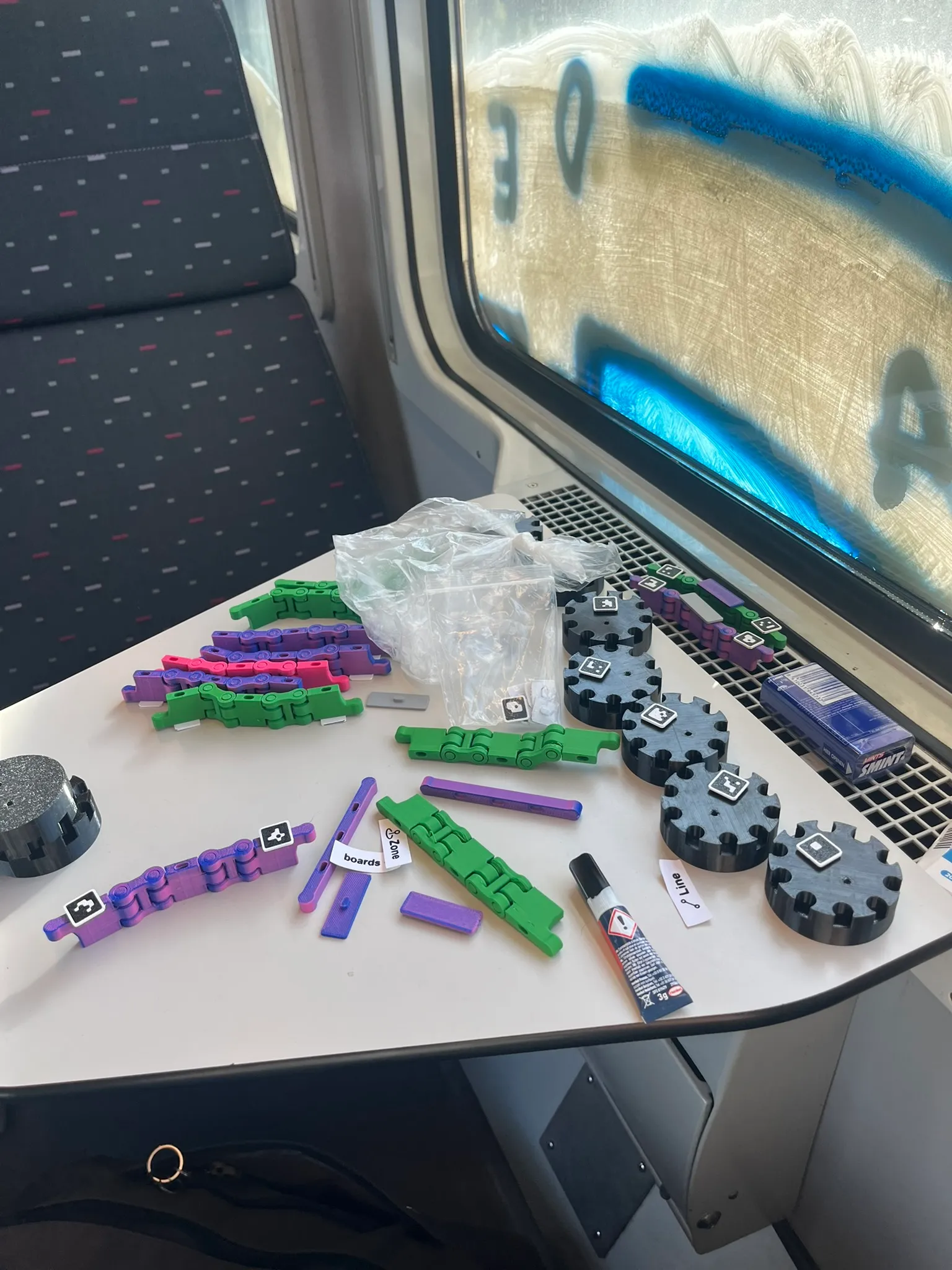
During the train ride to Ghent, the location of the conference, I assembled the kit. It was ready 10 minutes before the train arrived.
Finally reaching the conference at 10, I went to our allocated spot to set ArcUno up. It was working.
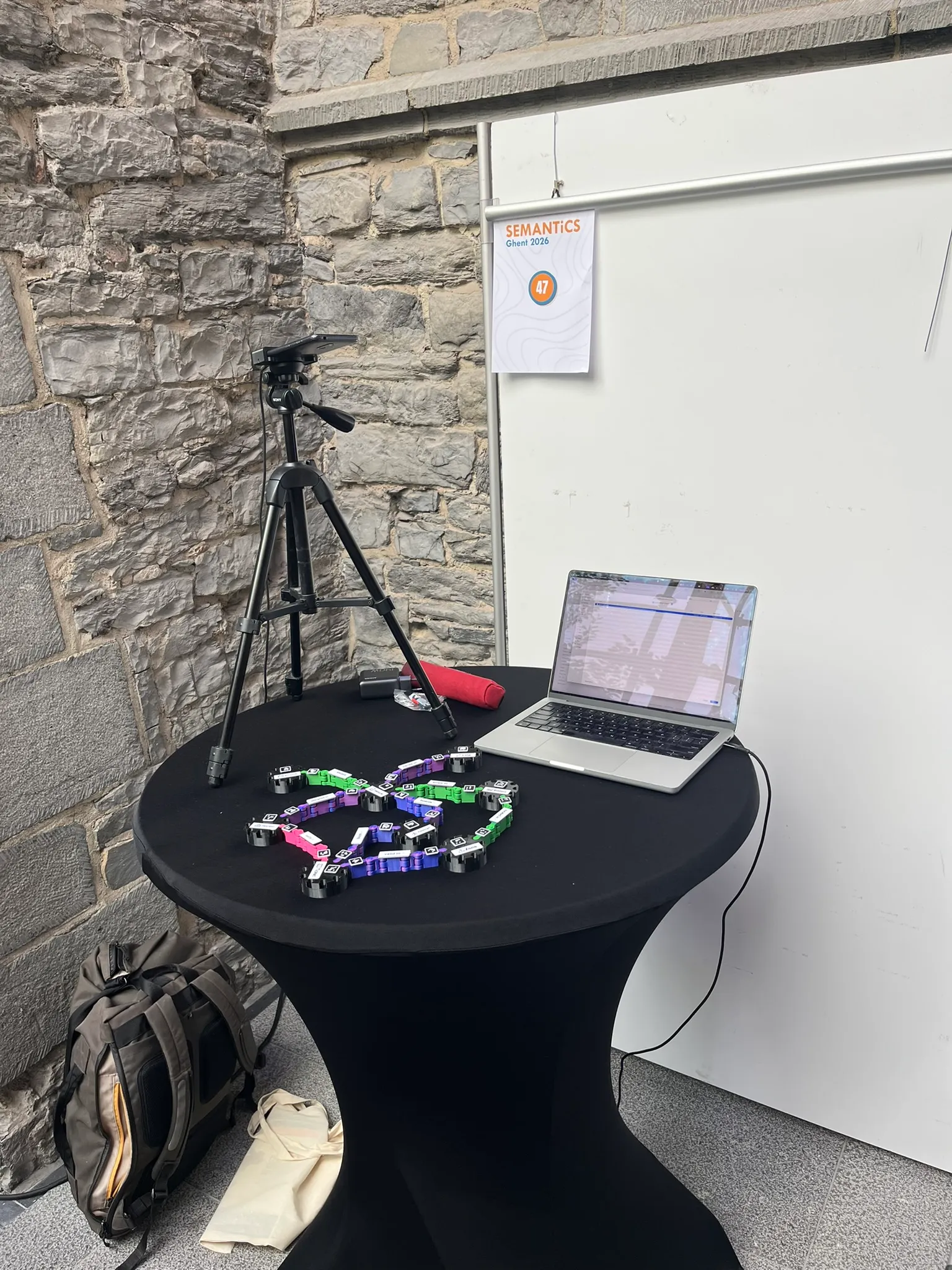
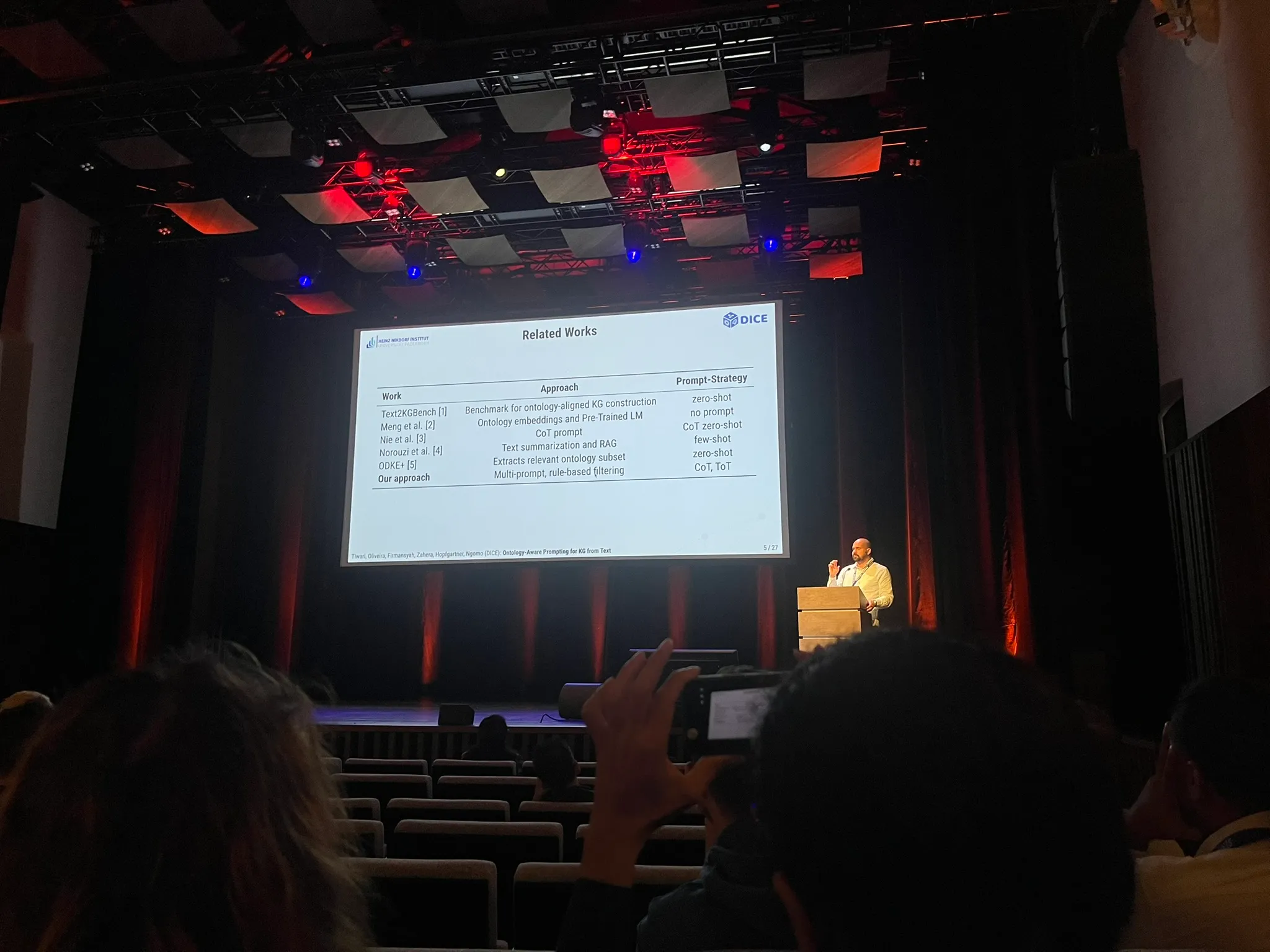
After several hours of existing in a stressful state, I felt calm again. I walked around the conference peacefully, meeting people and striking up conversations. Overall, the place felt like it was at the edge of what is currently happening in the semantic space, and I got a greater understanding of the vast breadth and depth of this specific field. The conference also featured several speakers who presented academic papers outlining new techniques and experiments using semantic technologies and AI.
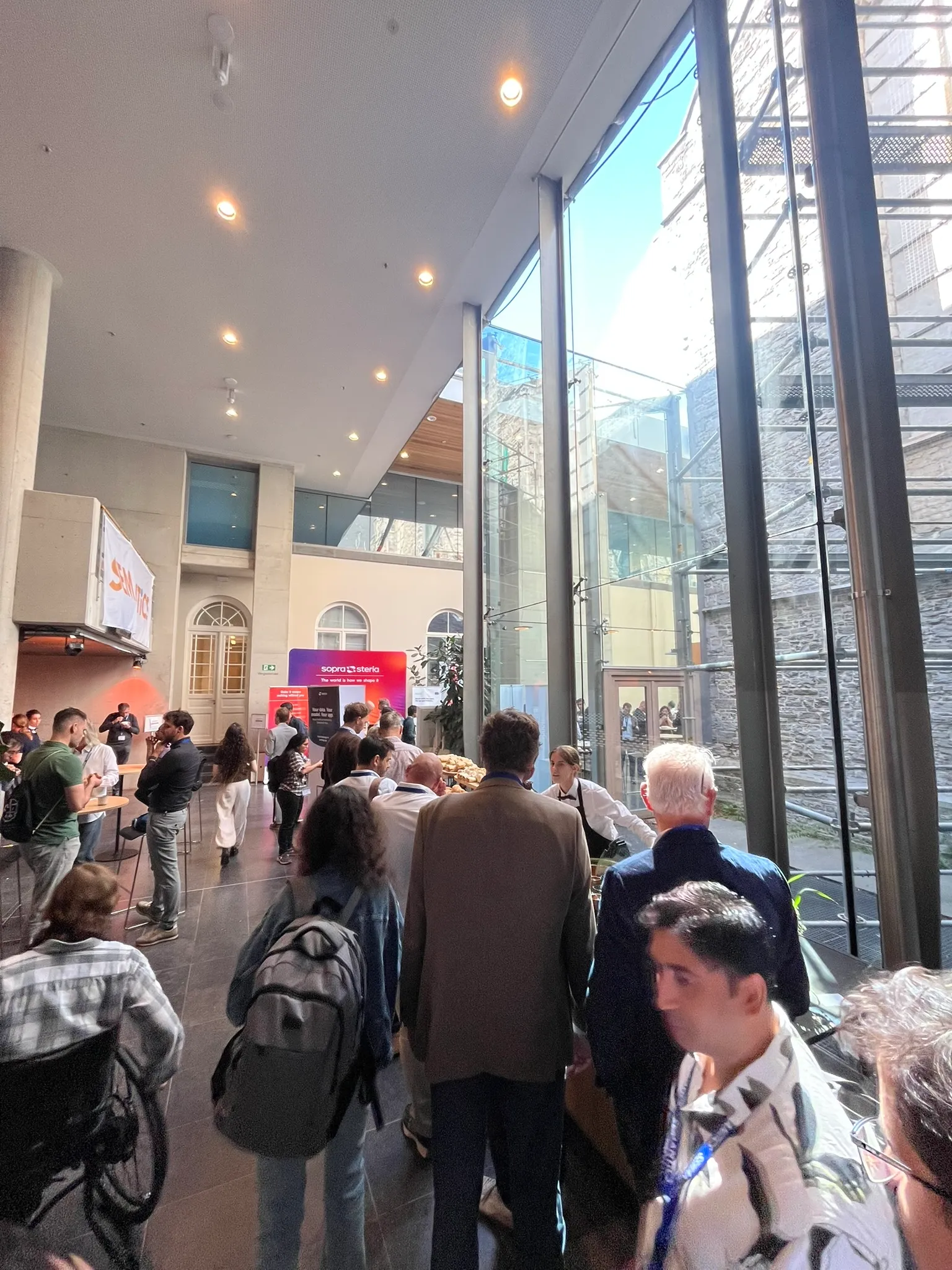
At around 15:00, all the guests started moving to the posters and demo section. My role as a demo presenter was to engage with interested attendees, explain ArcUno and let them interact with it. The sentiment towards the project was more positive than I expected. People interacting with it found it intuitive and easy to understand. The fact that they were all more or less extremely familiar with knowledge graphs and ontology ideas definitely contributed to this as well.
Many discussed personal use cases for the project, while others asked about its commercial viability. Two researchers working on ontologies for CROW, a Dutch non-profit knowledge platform for infrastructure and public space, described how they could use ArcUno to collaborate during ontology creation tasks, because whiteboards / digital mediums are slower and less intuitive. Another suggested leveraging ArcUno’s intuitive feel to present ontology graphs to clients who are non-experts, which I had not considered before.
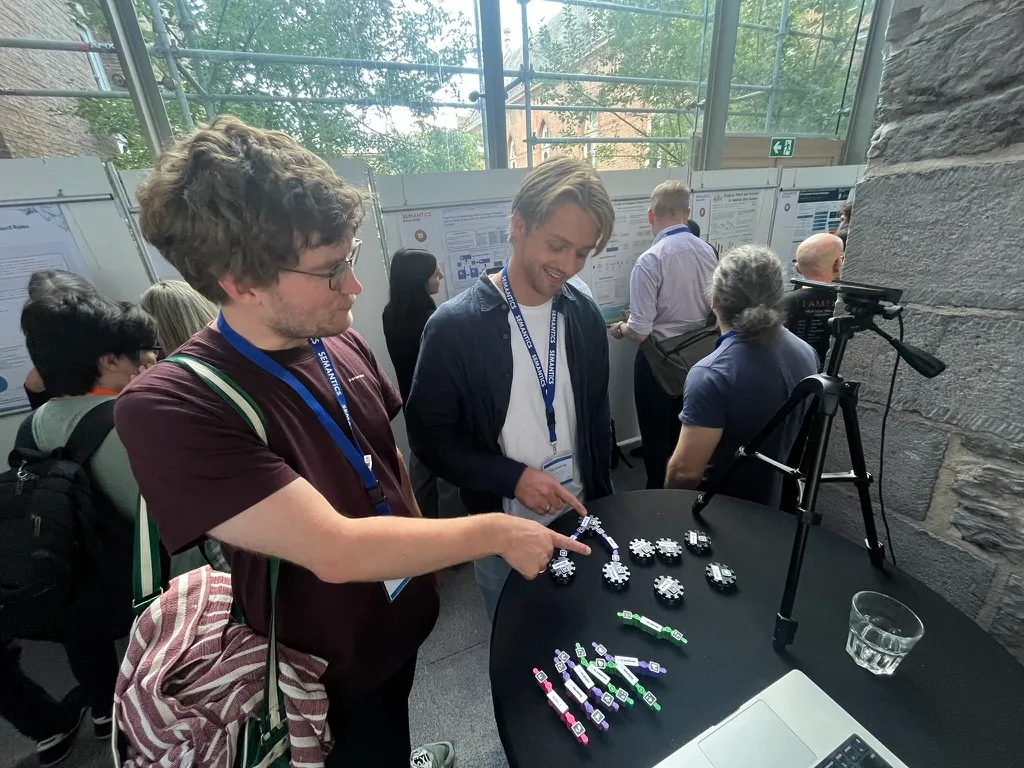
The questions about commercial viability were slightly harder to answer. Most focused on who the target customer would be. Interestingly, there were no concerns about how ArcUno compares to digital equivalents, which suggests that the audience understood that ArcUno targets a different problem. I did not have complete answers, but the conversations made one thing clear: the physical interaction, the feeling of playing, was what people valued most, more than the software. The software part of the project, which was to digitally encode the physical graph, served as a wow moment.
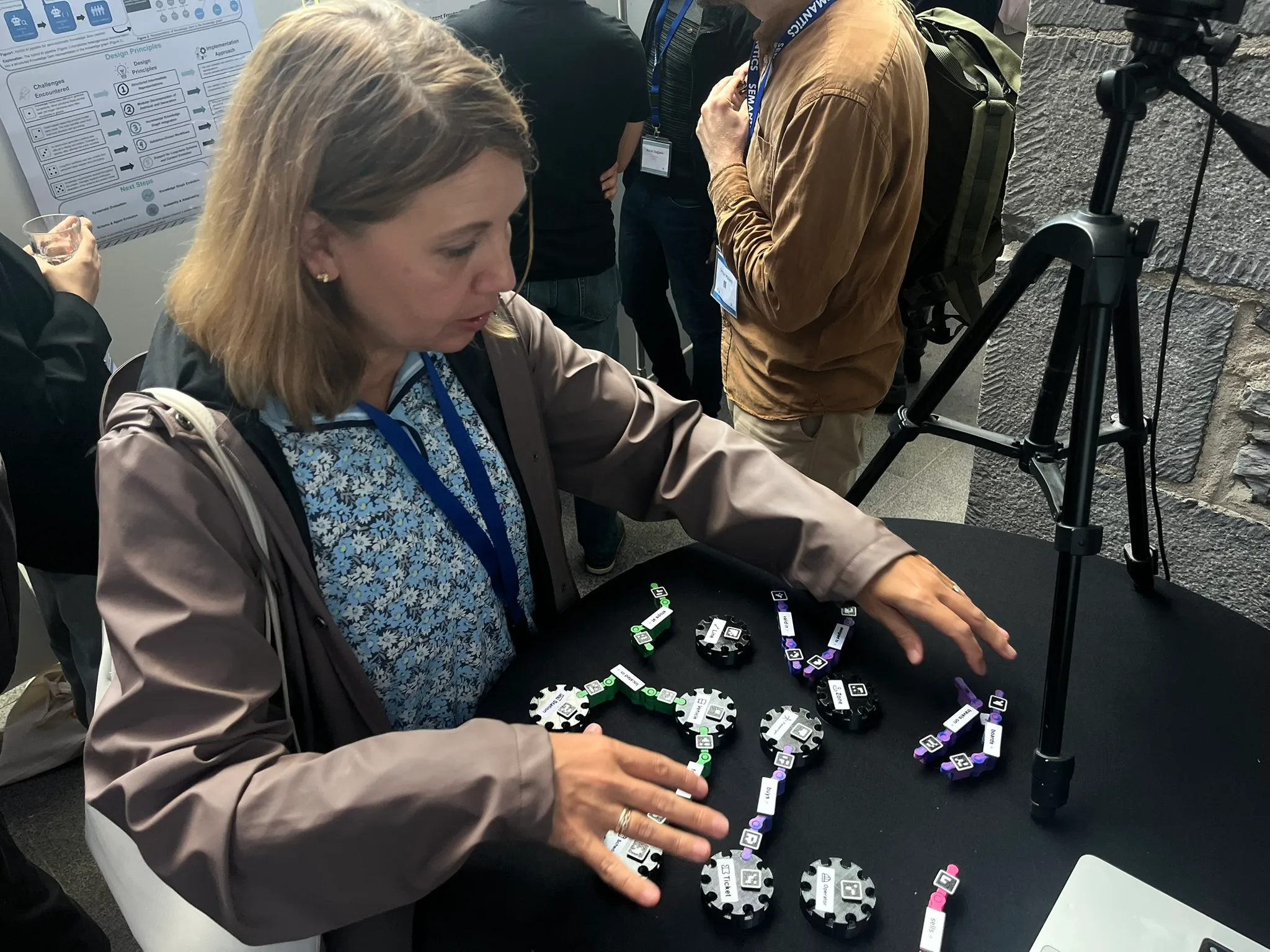
What surprised me most was that generally, everyone understood the aim of the project at a glance: building graphs physically.
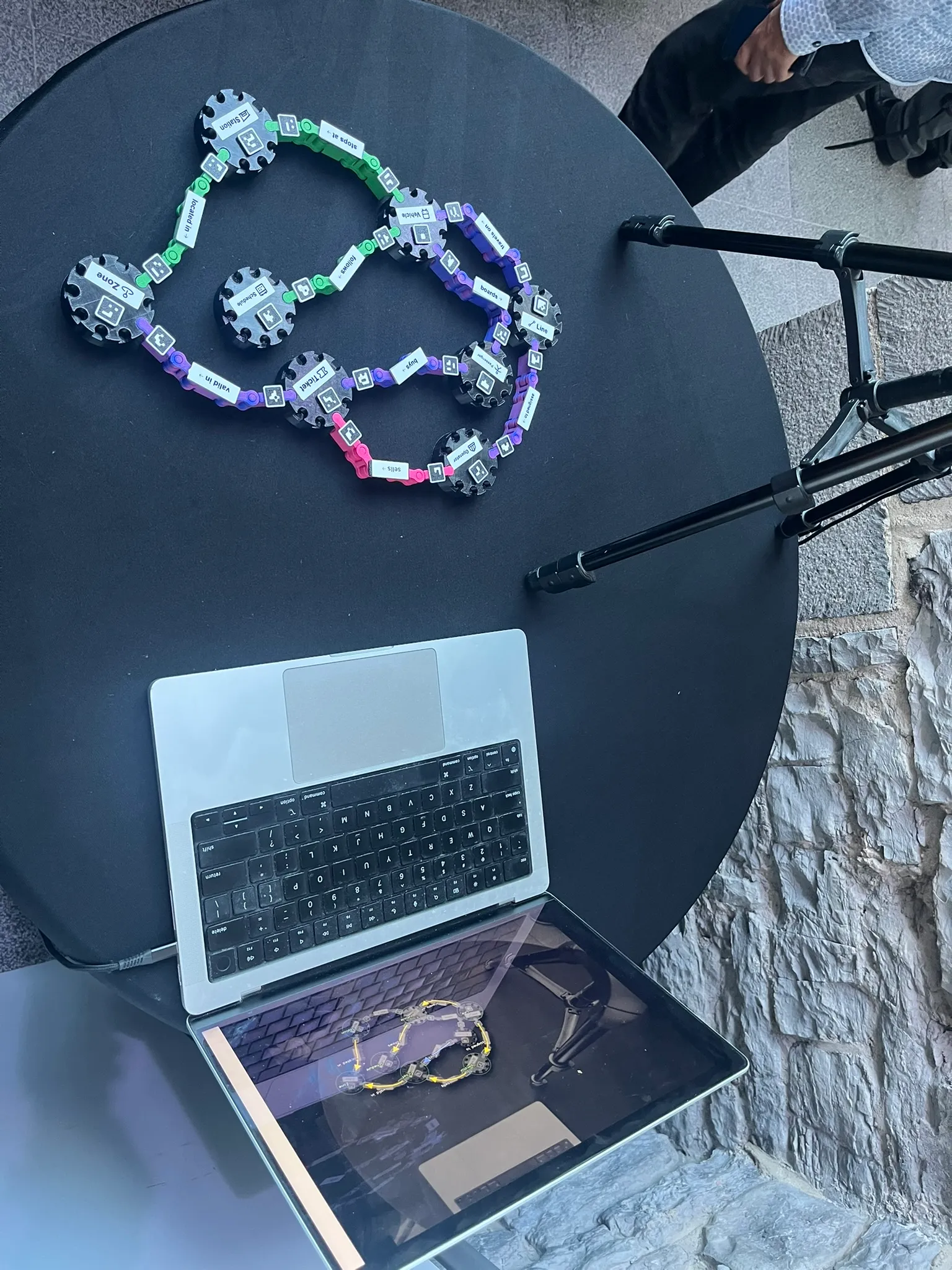
Looking back, the night before the conference, although stressful, was a fitting test for the project. ArcUno was designed to be fully 3D-printable and open, and that is what made it possible to rebuild it from scratch in a single night, in a different country, with the help of friends and their printers. After the conference, I feel quite inspired to explore the possibilities of ArcUno further and iterate on the design.
The models and code remain available for anyone who wants to build their own.
I would like to thank Stijn, Nicky and Michela. Without them, I would not have been able to go to the conference and present my project at all. Additionally, I would like to thank Victor de Boer and Marcello Gómez Maureira, my supervisor and critical observer respectively, who guided me during the project and with whom I had lots of fun working together.